
Defined cleanliness for hydraulic components
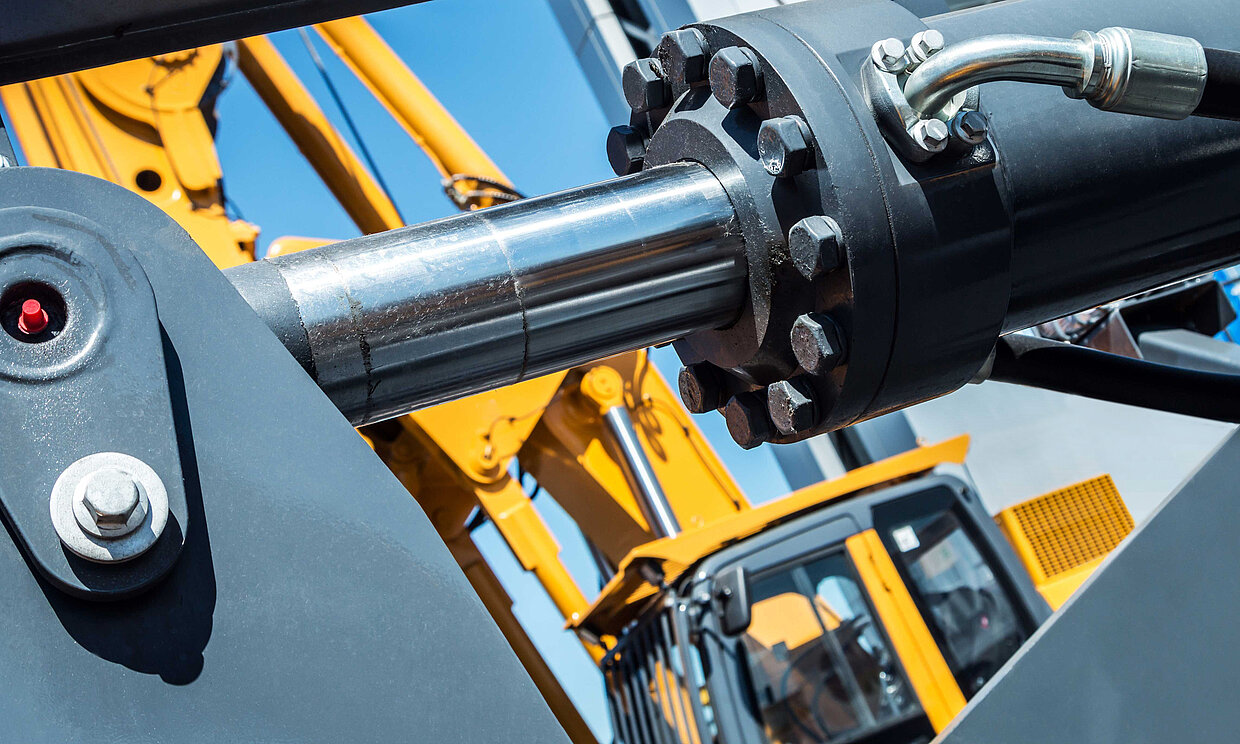
High physical forces. Most demanding conditions.
Hydraulics control the smallest movements, move loads weighing several metric tons, and keep complex systems running reliably. To do this, the fluid-carrying components must function precisely—even under high pressure. A single flake of scale or a minimal film residue can compromise operational safety or accelerate wear. In the worst-case scenario, it can bring an entire system to a costly standstill.
This makes it all the more important to have a cleaning process that reliably achieves the specified level of technical cleanliness.
Understanding processes. Creating cleanliness.
Machining leaves behind stubborn residues such as chips and honing oils, which tend to accumulate primarily in intersecting holes, blind holes, and deep channels. The challenge: to thoroughly clean these contaminants while protecting the component surfaces from over-treatment.
To achieve this, MAFAC combines, for example, MAFAC kinematics with MAFAC targeted cleaning. While the surfaces are cleaned dynamically and evenly, the complementary process flushes deep holes with pinpoint accuracy.
Consistent results. Greater cost-effectiveness.
Whether it’s large production runs of identical components or varying parts in small batches, MAFAC develops a comprehensive process concept for material-appropriate cleaning and complete drying in cost-effective cycles.
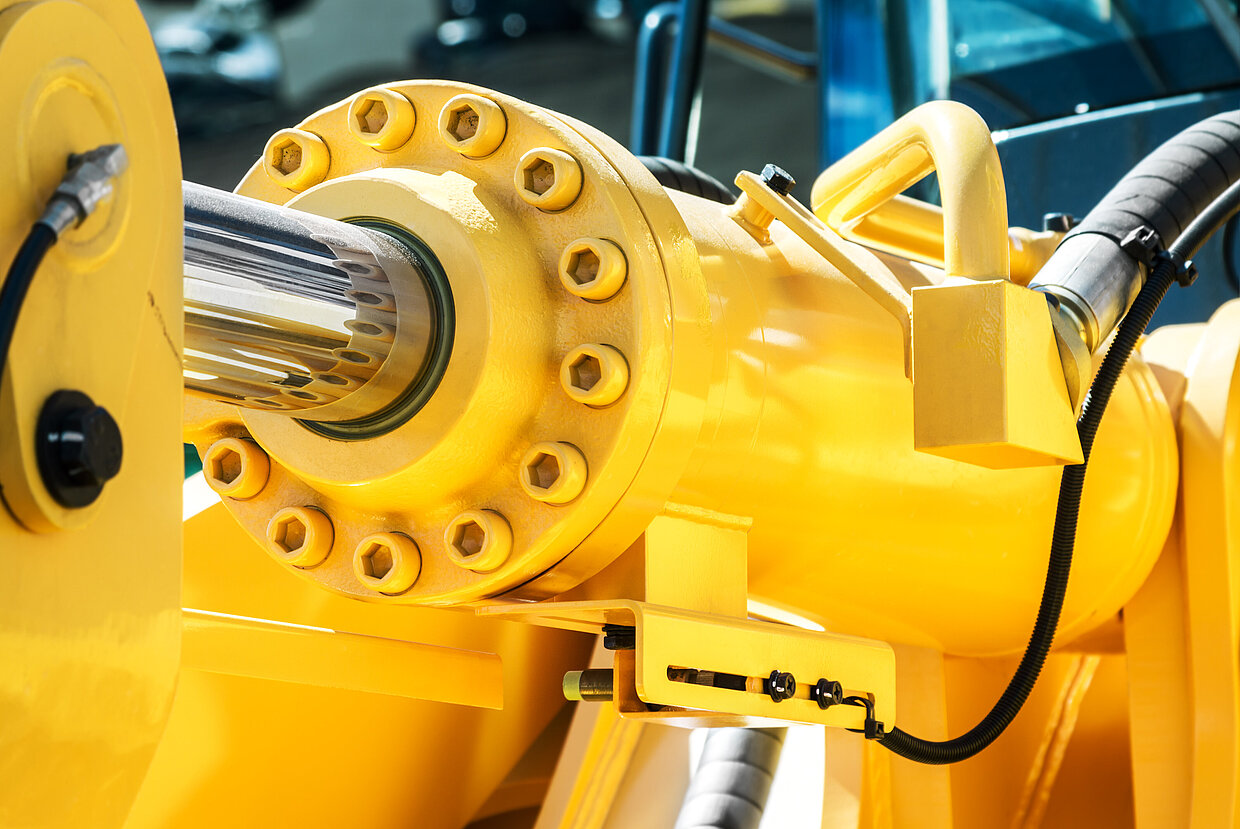
Your Benefits with MAFAC for Hydraulic Components and Systems
- Clean complex internal geometries without leaving any residue. Achieve a defined level of cleanliness even in intersecting bores, blind holes, and deep channels.
- Reliably remove particulate and film-like residues. Loosen and flush out chips and the finest particles; reliably clean away machining oils and cooling lubricants.
- Treat different materials in a manner appropriate to each material. Tailored methods and process parameters for aluminum, castings, and other materials.
- Seamlessly integrate cleaning into your production process. Customized solutions for existing lines, cycle times, and automation concepts.
- Achieve reproducible technical cleanliness. Consistently meet defined cleanliness requirements—across different components and batches.
- Increase cost-effectiveness and equipment availability. With short cleaning cycles, stable process control, and coordinated workflows.
- Targeted drying of hydraulic components. Completely remove residual moisture even from hard-to-reach internal areas and protect corrosion-prone components from flash rust.
- Flexibility in terms of components and batch sizes. Customizable process parameters for different materials, geometries, and quantities.
Typical Applications of Hydraulics
Hydraulics is used as a cross-disciplinary technology in various industries. Regardless of the application, one thing remains true: a defined level of technical cleanliness is essential for operational safety and reliable processes.
- Mobile Hydraulics – Construction, Agricultural, and Forestry Machinery; Commercial Vehicles
- Industrial Hydraulics – Mechanical and Plant Engineering; Presses; Machine Tools
- Automotive – Control and Actuation Systems
- Aerospace – Flight Control and Landing Gear Systems
- Energy Technology – Actuation and Control Technology, such as for wind turbines
- Railway Technology – Braking and Level Control
- Medical Technology – Adjustment and Positioning Technology, such as for operating tables
- Marine/Offshore – Ship Steering, Winch and Lifting Technology
Sauberkeit nachweisen. Vorgaben sicher erfüllen.
Verify cleanliness. Reliably meet specifications.
From hydraulic blocks, valve housings, and pump pistons to connecting elements—different components and applications entail different cleanliness requirements. MAFAC cleaning solutions meet these requirements reliably and reproducibly.
Hydraulics FAQ. Your Questions, Our Answers.
Can MAFAC reliably clean different materials in a single system?
Yes. MAFAC tailors the cleaning medium and process parameters to the specific materials. Aluminum requires cleaners that are gentle on the material, while gray cast iron requires reliable corrosion protection. This allows different hydraulic components to be reliably cleaned in a single system.
How does MAFAC ensure consistent cleaning processes in mass production?
Through continuous media maintenance, effective filtration, and monitored process parameters. This is how MAFAC ensures consistent cleaning quality, even with high production volumes and during continuous operation.
How does MAFAC prevent corrosion after cleaning?
With complete drying and tailored corrosion protection. MAFAC offers a variety of drying processes to remove residual moisture even from drilled holes and blind holes and to prevent flash rust. If necessary, an additive in the final rinse bath protects the components from corrosion until they are processed further.
Can MAFAC integrate cleaning into an automated manufacturing process?
Yes. MAFAC cleaning systems can be integrated directly into machining centers or assembly lines, for example, using robotic loading or conveyor systems. We tailor the cleaning cycles to the upstream and downstream processes.
How does MAFAC demonstrate compliance with the required technical cleanliness standards?
MAFAC uses established methods for technical cleanliness analysis, including residual contamination and particle analyses. Combined with documented process parameters, these methods provide reliable and audit-ready evidence of the level of component cleanliness achieved.