
Cleaning solutions for E-Mobility
Ensure functionality. Avoid risks.
The requirements for technical cleanliness in electric mobility are high: components such as battery housings, stators, rotors, and power electronics must be reliably free of machining residues. This beeing a necessary condition to provide electrical functionality, stable system performance, and safe high-voltage applications.
Even the finest metallic conductive contaminants can cause short circuits or compromise system performance. It is therefore essential to have a cleaning process that reliably achieves defined levels of cleanliness: up to high-purity specifications and ensures stable conditions for contacts, insulation distances, and downstream processes.
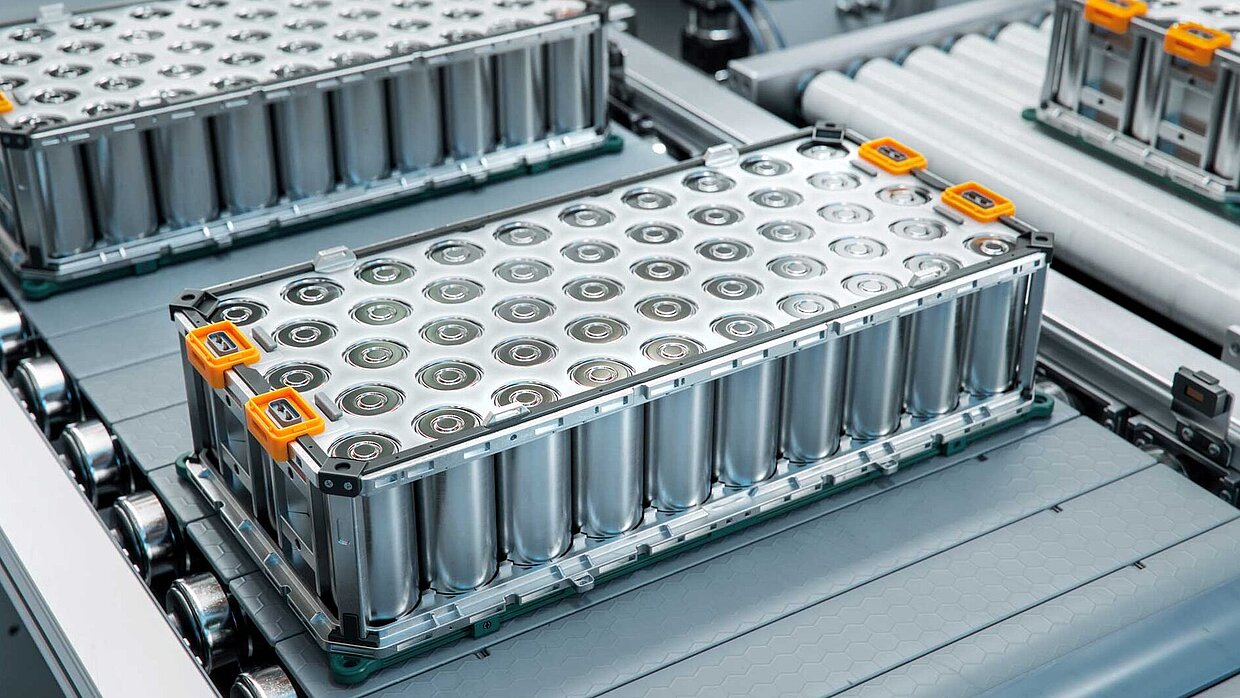
Understanding processes. Designing cleanliness.
Whether it’s pre-cleaning after machining, cleaning integrated into the assembly process, or final cleaning for subsequent processes: At MAFAC, we develop cleaning solutions that are precisely tailored to your requirements in e-mobility manufacturing.
We consider components, geometries, contaminants, and materials in context and, based on this, develop a coordinated overall concept for cleaning and drying. In doing so, we also take into account interfaces and surface tension as critical factors for downstream processes.
Increase efficiency. Ensure consistent quality.
Based on our project experiences with OEMs and Tier 1 suppliers, we know what matters most when it comes to E-Mobility components:
Cleaning processes must operate reliably and deliver consistent quality, while maintaining high system availability and cost-effective operation.
Coordinated processes, precisely defined parameters, and cleaning agents that suit the material enable process-appropriate surface preparation.
This results in technically clean, functionally reliable components that serve as the foundation for electrical performance, thermal management, and long-lasting systems.
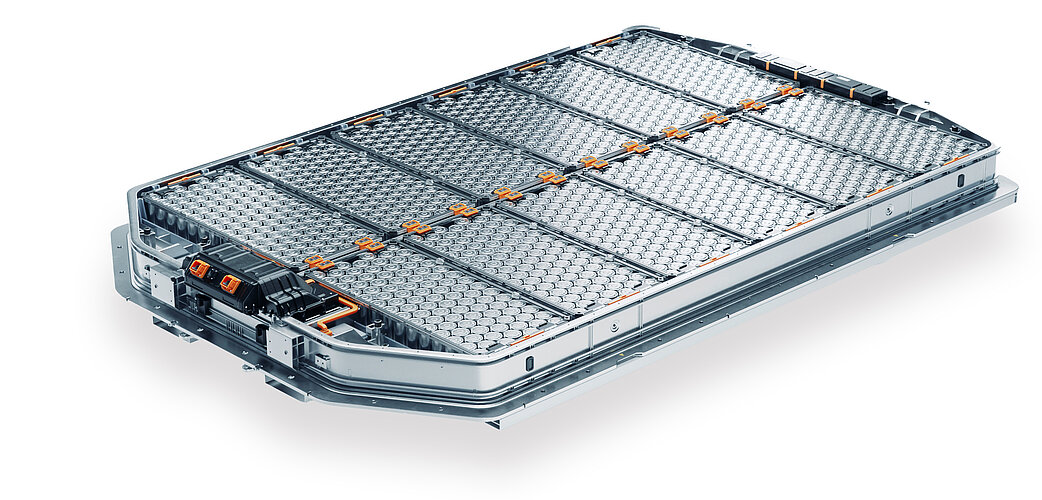
- Targeted removal of conductive metal particles through optimized media flow. To prevent short circuits in high-voltage systems.
- Reliably clean complex geometries. With deep penetration into internal structures and cooling channels.
- Remove filmic contaminants without leaving residue. For functional preparation of interfaces and to ensure secure connections.
- Prevent recontamination. Optimized media flow and high-performance filtration provide maximum safety of the cleaning process.
- Consistent results in series production. Stable process control ensures consistent results, even in high volumes and for long runs.
- Seamless integration into your production. Also available as a partially or fully integrated solution.
- Increase cost-effectiveness and availability. Short cycles and automated processes maximize system efficiency.
- Targeted drying results. Vacuum drying ensures reliable drying upt o 100%, even in tight geometries and capillaries.
Prove cleanliness, in accordance with your industry’s standards.
Our cleaning solutions are precisely tailored to relevant E-Mobility standards and specifications, as well as to internal and customer-specific requirements. We consistently and reliably meet these standards.
Documented process parameters and appropriate testing methods enable a traceable assessment of component cleanliness.
Upon request, we can integrate your internal testing procedures and document the required level of cleanliness.
| Residues / Criteria | Standards / Test References |
|---|---|
| Particulate Cleanliness / Conductive Particles | Inspection for metallic-conductive particles to prevent short circuits in high-voltage systems; analysis according to VDA 19 / ISO 16232; OEM specifications |
| Filmic cleanliness / organic residues | Removal of oils, drawing compounds, and additives to ensure proper contacting, bonding, and potting; application-specific limits, OEM specifications |
| Electrical contact surfaces / bondability | Defined surface tension and residue-free surfaces for stable contacts and welded joints; requirements from electronics manufacturing (e.g., IPC-A-610) |
| Cooling channels and thermal management | Residue-free internal structures to ensure flow and heat dissipation; function-specific cleanliness requirements |
| Residual Moisture / Drying | Prevention of corrosion and insulation faults through complete drying; process- and material-specific specifications |
| Cleanroom and Electronics Requirements | Cleanliness for sensitive assemblies in power electronics and battery management; ISO 14644 (cleanroom), product-specific specifications |
Does MAFAC offer test cleanings?
Yes. MAFAC conducts test cleanings using your original components, which allow for a reliable assessment of geometry and residue types. Based on this, we develop a robust process strategy with appropriate technologies and parameters—serving as a reliable basis for decision-making for subsequent production processes.
How does MAFAC technology help achieve the required surface tension for subsequent processes?
A defined surface tension is essential for stable bond joints, contacts, and adhesive processes. MAFAC cleaning processes precisely remove film-like residues and create surfaces with optimal wettability—ensuring long-lasting, stable electrical connections.
How does MAFAC technology ensure that complex structures and internal geometries are completely dried?
The use of MAFAC vacuum drying lowers the boiling point of the residual moisture. As a result, moisture evaporates completely even in deep and winding channels. The components leave the system dry and ready for the next step in the process.
How does MAFAC ensure consistent and reproducible cleaning results across production runs and component variants?
MAFAC achieves consistent results through clearly defined process parameters, optimized kinematics, and stable media flow. As a result, cleaning performance remains consistent regardless of geometry, component variation, and contamination levels.
How can MAFAC reliably prevent recontamination during the cleaning process?
MAFAC ensures consistent component cleanliness through multi-stage cleaning and rinsing processes, as well as high-performance filtration and oil separation. Particles that have already been removed are safely discharged and cannot re-enter the process.